🎉 Get your first AI Vedic birth chart analysis free today only!


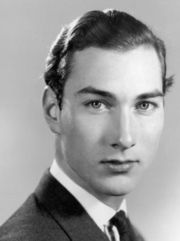
Who is Inge William?
Latest Updates
Update at: May 6, 2026William Inge (1913–1973) — Public Profile
Birth: May 3, 1913, Independence, Kansas, United States
Death: June 21, 1973, Los Angeles, California, United States
Overview
William Inge was an American playwright, novelist, and screenwriter whose work helped define mid-20th‑century American drama. Born in Independence, Kansas, Inge rose to prominence with Picnic (1953), which won the Pulitzer Prize for Drama and established him as a leading voice in American theater. His plays often explore small‑town life, longing, and personal disillusionment, blending intimate character studies with broad social observation.
Notable Works
- Picnic (1953) — Pulitzer Prize for Drama; later adapted into a 1955 film
- Come Back, Little Sheba (1950)
- Bus Stop (1955)
- The Dark at the Top of the Stairs (1957)
- Splendor in the Grass (1961) — screen adaptation of his work
Awards & Legacy
Pulitzer Prize for Drama (1953) for Picnic. Inge’s works have been revived extensively in theatres around the world and are studied in American literature and theatre programs. His hometown of Independence, Kansas, maintains a legacy through local theatres, archives, and festivals dedicated to his contribution to American drama.
Film & Screenwriting
Beyond stage plays, Inge wrote screenplays and contributed to film adaptations of his narratives. Splendor in the Grass (1961) brought his storytelling to cinema, contributing to the era’s exploration of youthful longing and moral complexity.
Recent Developments & Public Presence
As a figure who passed away in 1973, there is no contemporary personal activity. Public engagement centers on scholarly work, theatre revivals of his plays, and institutional events such as annual theatre festivals and honors that celebrate his impact on American drama. The William Inge Theater Festival and related programs in Independence, Kansas preserve and promote his legacy.
News & Public Information
There is no current breaking news about William Inge. Available information emphasizes historical context, theatre scholarship, and ongoing cultural commemorations of his work.
Social Media & Online Presence
William Inge does not have personal social media profiles. Public discussion typically occurs through institutional pages, theatre archives, libraries, and fan-curated sites related to his plays and to the festivals and archives that preserve his legacy. Official channels are usually operated by organizations such as the William Inge Center for the Arts or Independence, Kansas‑area institutions.
Further Resources
- Archives and libraries with William Inge manuscripts and correspondence
- Independence, Kansas cultural institutions hosting the William Inge Festival
- Educational materials and scholarly analyses of Picnic, Come Back, Little Sheba, Bus Stop, and The Dark at the Top of the Stairs
Which Raj Yogas are in Inge William's birth chart?
6 FOUNDInge William's chart shows 4 Raj Yogas and 2 challenging combinations, including Gaja Kesari Yoga, Chandra-Mangala Yoga, Hamsa Yoga.
Which dasha periods did Inge William live through?
VIMSHOTTARIVimshottari dasha periods recorded for Inge William, in order.
What do Inge William's numerology numbers say?
Inge William's core numbers are Destiny 5, Soul Urge 7, Personality 11, Karmic Debt 33, Kabbalah Number 33.
Chaldean Destiny 5 indicates dynamic progress through change and versatility. It supports travel, sales, communication roles, and fast adaptation.
Chaldean Soul 7 desires truth and depth. It seeks learning, solitude, spiritual growth, and refined understanding.
Chaldean Personality 11 appears intuitive and inspiring. Others often sense sensitivity, vision, and spiritual presence.
Master Number 33 in Chaldean numerology amplifies compassion, healing, and teaching. It supports upliftment through service and mature love.
Kabbalah Number 33 reflects a master-teaching spiritual code. It supports healing, compassion, and upliftment through service leadership.
Life Events & Planetary Transits
Key events mapped against the active Dasha and planetary transits at the time.